Rode NT-USB Mini vs Blue Yeti USB Microphone
Which product has fewer dealbreakers? Side-by-side risk analysis based on real user complaints.
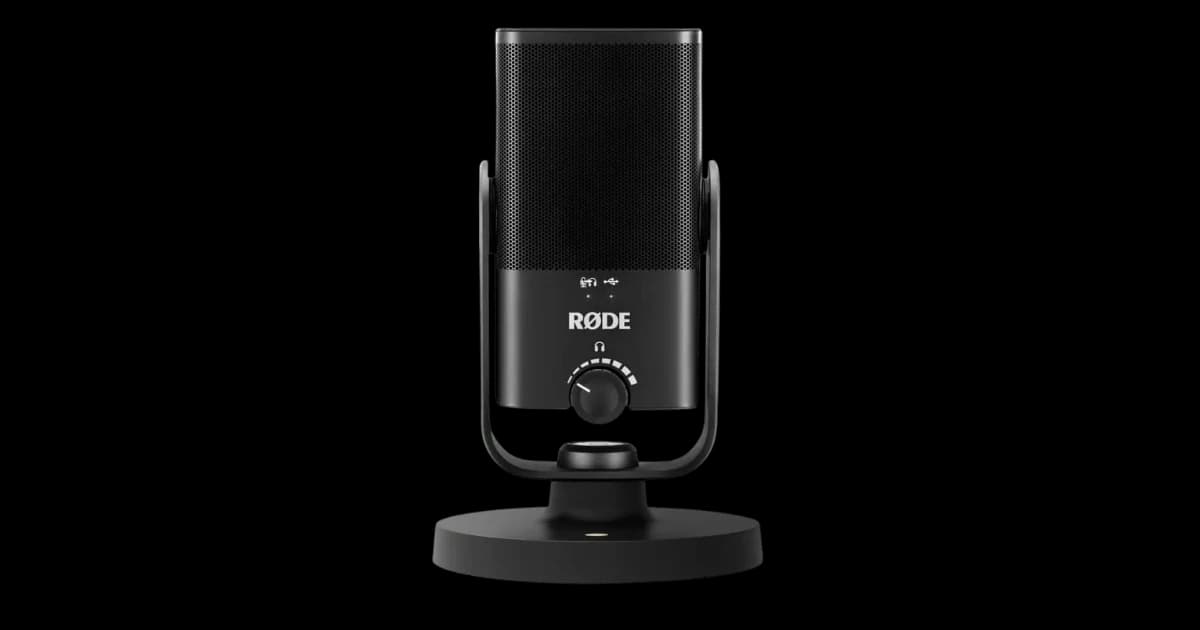
WINNER
8/10High Risk
Rode NT-USB Mini
High Risk
~$105.00as of Mar 2026
Full ReportCheck Price on Amazon(paid link)
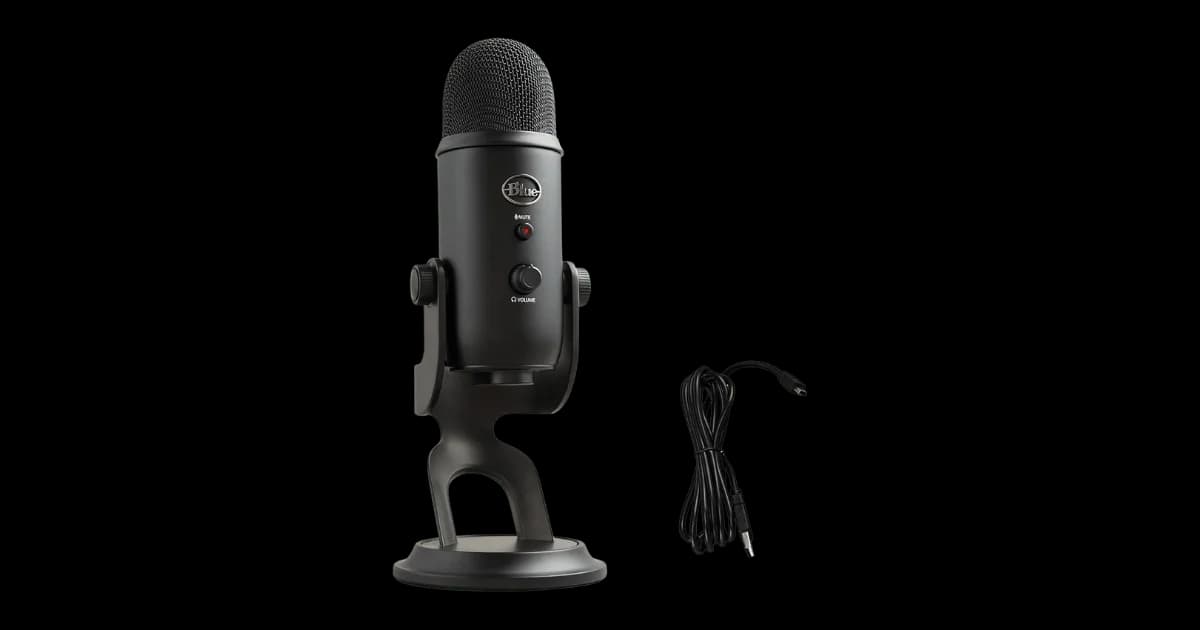
8/10High Risk
Blue Yeti USB Microphone
High Risk
~$99.58as of Mar 2026
Full ReportCheck Price on Amazon(paid link)
At a Glance
| Metric | Rode NT-USB Mini | Blue Yeti USB Microphone |
|---|---|---|
| Risk Score | 8/10 | 8/10 |
| Dealbreakers | 5 | 5 |
| Critical Issues | 3 | 2 |
| Longevity Score | 4/10 | 4/10 |
| Resale Value | Low | Med |
| Priceapprox. | ~$105.00 | ~$99.58 |
Dealbreakers Comparison
Rode NT-USB Mini
Vibration Noise
HIGH severity
Latency Issues
HIGH severity
No Gain Control
MED severity
Cosmetic Pop Filter
MED severity
Thin Sound
HIGH severity
Blue Yeti USB Microphone
Terrible Noise Isolation
HIGH severity
Outdated Micro-USB
MED severity
Unstable Stand
MED severity
No Software Control
HIGH severity
Vibration Issues
MED severity
Our Verdict
Both the Rode NT-USB Mini and Blue Yeti suffer from critical flaws, but the Yeti's terrible noise isolation and lack of software control make it the worse choice for most users. The Rode's thin sound and latency issues are problematic, but its superior noise rejection gives it a slight edge if you need cleaner recordings. Neither is ideal, but if you must choose, the Rode is the lesser of two evils for voice work in quiet environments. Avoid both if you need professional-grade audio or real-time monitoring.
Prices shown are approximate and were last verified on the date indicated. Actual prices may vary. Always check the retailer for the most current pricing. As an Amazon Associate, we earn from qualifying purchases. Full disclosure